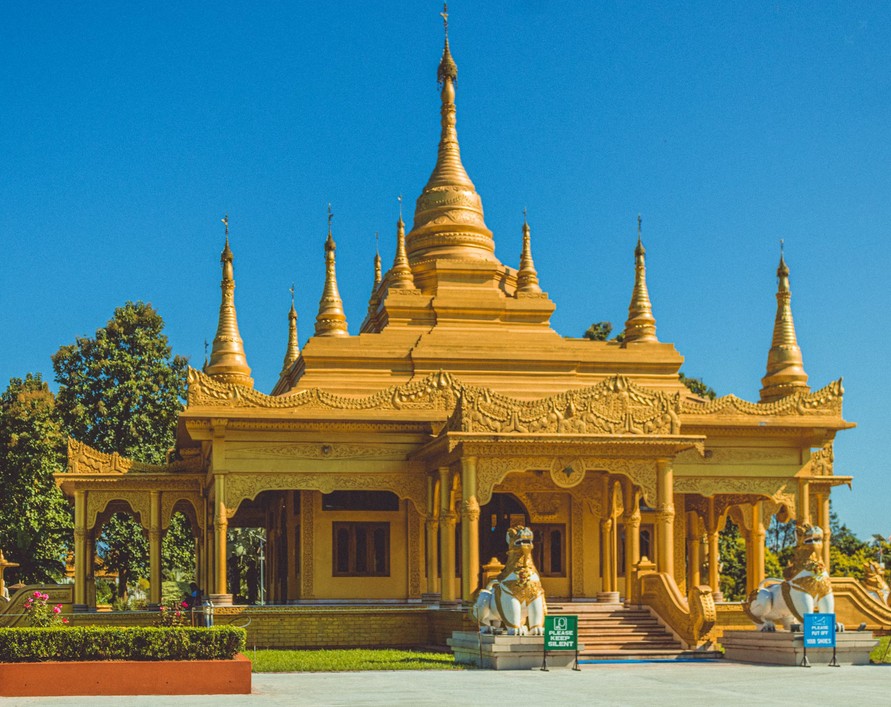
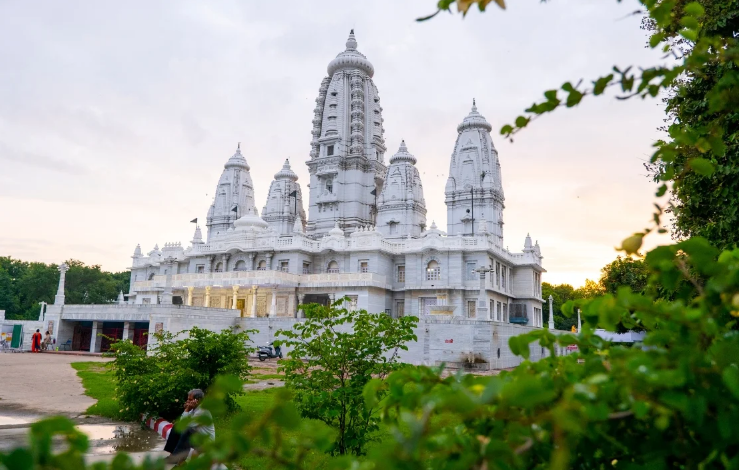
 JK Radha Krishna Temple, Kanpur
Kanpur - The Industrial Heart and Cultural Soul of Uttar Pradesh
Kanpur is a historic and industrial city on the banks of the River Ganga in Uttar Pradesh. Known as the “Manchester of the East,” it played a major role in India’s freedom movement and textile industry. Today, Kanpur offers a mix of heritage sites, temples, parks, education, and vibrant markets.
Kanpur, Uttar Pradesh
Kanpur is one of the largest and most historic cities in Uttar Pradesh, located on the banks of the holy River Ganga. Known as the “Manchester of the East”, Kanpur played a vital role in India’s industrial development and freedom struggle. Today, the city beautifully blends rich history, colonial heritage, modern industries, educational institutions, and spiritual centers, making it an interesting destination for travelers and history lovers alike.
Historical Background of Kanpur
Kanpur has a long and fascinating history dating back to ancient times. It is believed that the city was founded by Hindu King Hindu Singh of the Sachendi State. During the British period, Kanpur emerged as one of the most important military and commercial centers of North India.
The city became a major battleground during the First War of Independence in 1857. Historic sites like Bithoor, Nana Rao Park, and the Kanpur Memorial Church still preserve the memories of this revolutionary period. Kanpur’s contribution to India’s freedom movement makes it a significant chapter in Indian history.
Kanpur - The Industrial Capital
Kanpur earned the title “Manchester of the East” because of its flourishing textile and leather industries during the British era. The city became famous worldwide for its:
- Leather goods and footwear
- Textile mills
- Cotton and wool industries
Even today, Kanpur remains an important industrial hub, especially in leather manufacturing, export businesses, and small-scale industries.
Cultural and Spiritual Importance
Kanpur is not only an industrial city but also a center of religion and culture. The holy town of Bithoor, located near Kanpur, is closely associated with Lord Brahma, Lord Rama, and the freedom fighter Nana Sahib. Bithoor is also believed to be the birthplace of Luv and Kush, the sons of Lord Rama.
The city celebrates major festivals such as Diwali, Holi, Durga Puja, Eid, and Ganesh Chaturthi with great enthusiasm, reflecting its rich cultural diversity.
Major Tourist Attractions in Kanpur
Bithoor
A sacred town on the banks of the Ganga, Bithoor is famous for temples, ghats, and its association with the Ramayana and freedom movement.
Allen Forest Zoo
One of the largest zoos in India, spread across natural forest land, ideal for families and wildlife lovers.
JK Temple (Radhakrishna Temple)
A beautiful modern temple built with white marble, known for its peaceful atmosphere and elegant architecture.
Kanpur Memorial Church
Also known as All Souls’ Cathedral, this Gothic-style church was built in memory of British soldiers who died during the 1857 revolt.
Nana Rao Park
A historical park dedicated to Nana Sahib, an important leader of the 1857 uprising.
Phool Bagh and Blue World Theme Park
Popular recreational spots for locals and tourists.
Education and Modern Development
Kanpur is home to the prestigious Indian Institute of Technology (IIT) Kanpur, one of India’s top engineering institutions. The city is also developing rapidly with:
- Metro rail projects
- Modern malls and markets
- Improved road and railway connectivity
Food and Shopping in Kanpur
Kanpur is famous for its delicious street food and local cuisine. Must-try items include:
- Thaggu ke Laddu
- Samosa and kachori
- Chaat and jalebi
For shopping, Kanpur is well known for leather products, footwear, handbags, and belts, available in local markets and malls.
Best Time to Visit Kanpur
The best time to visit Kanpur is from October to March, when the weather is pleasant and suitable for sightseeing. Summers can be very hot, while monsoons bring moderate rainfall.
How to Reach Kanpur
- By Air: Kanpur Airport connects the city with major Indian cities.
- By Train: Kanpur Central is one of the busiest railway stations in North India.
- By Road: Well connected by national highways to Lucknow, Delhi, Prayagraj, and other cities.
 Discovering Faith and Serenity a..
 Harsiddhi Temple Ujjain: A Sacre..
 Kochi Tourism - Best Places to V..
 Punjab Agricultural University M..
 Dreamy Snow Escape: Why Thajiwas..
 Champaner-Pavagadh Archaeologica..
 Neer Garh Waterfall Rishikesh - ..
 Ahmedabad: A journey through his..
 Top 5 Markets in Delhi - Best Sh..
 Mehrauli Archaeological Park Del..
 Qutub Minar - UNESCO World Herit..
 Capital Complex Chandigarh - A M..
 Willingdon Dam, Junagadh - A Ser..
 Devprayag Uttarakhand - Sangam o..
 Panchasara Parshwanath Jain Temp..