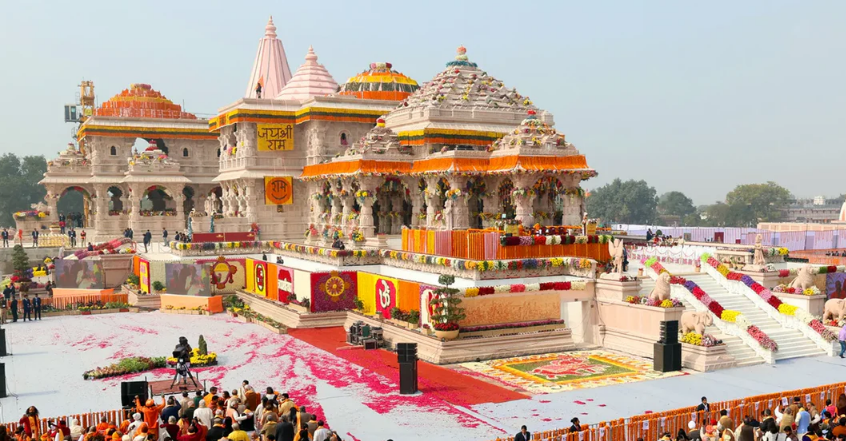
 Ayodhya Ram Mandir
Shri Ram Janmabhoomi Temple: A Divine Journey to the Birthplace of Lord Rama
The Shri Ram Janmabhoomi Temple is a grand spiritual landmark built at the birthplace of Lord Ram in Ayodhya. Its stunning architecture, sacred atmosphere, and deep cultural significance attract millions of devotees every year. A visit promises peace, devotion, and a divine connection that stays with you long after you leave.
Shri Ram Janmabhoomi Temple Ayodhya
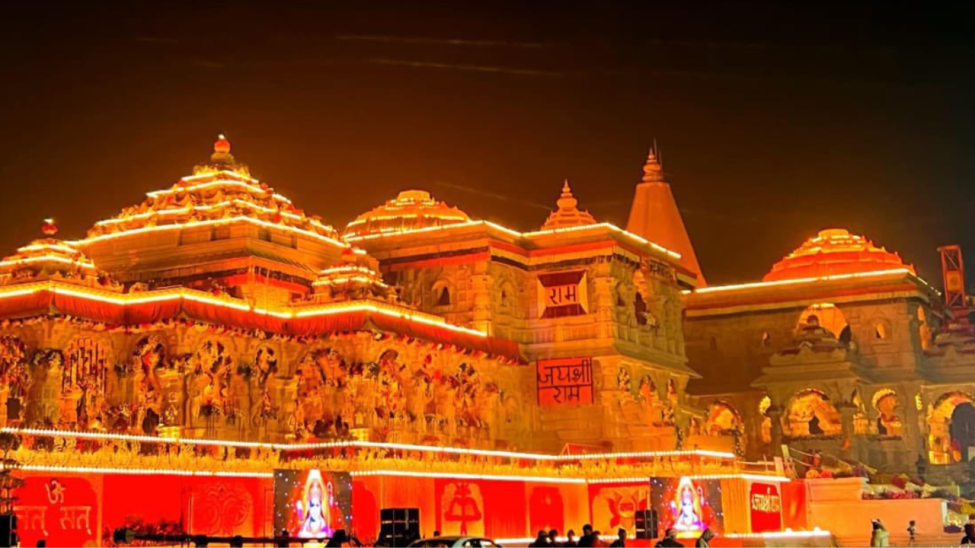
The Shri Ram Janmabhoomi Temple in Ayodhya is not just a religious landmark-it is a symbol of devotion, faith, cultural pride, and centuries of spiritual heritage. Built at the sacred site believed to be the exact birthplace of Lord Shri Ram, the temple stands as one of the most significant spiritual destinations in India, drawing millions of devotees from around the world.
A Sacred Land Rooted in History & Faith
According to the ancient epic Ramayana, Ayodhya was the glorious capital of the Surya Vansh (Solar Dynasty), where Lord Ram, the seventh avatar of Lord Vishnu, was born. For Hindus, the Janmabhoomi (birthplace) is more than geography-it is a divine emotion. The construction of the temple represents a historical moment, reflecting the collective devotion of countless generations.
Magnificent Architecture Inspired by Ancient Traditions
The temple’s architecture is a breathtaking blend of traditional Indian craftsmanship and modern engineering. Built in Nagara style, it showcases:
- Carved sandstone pillars
- Intricate sculptures depicting scenes from the Ramayana
- Grand mandaps (pavilions) with elegant designs
- A towering shikhara (spire) symbolizing spiritual elevation
- The entire complex has been designed to offer peace, purity, and a deep spiritual connection the moment you step inside.
Divine Aura & Spiritual Experience
Entering the temple feels like stepping into a world soaked in devotion. The air is filled with chants, bells, and the fragrance of incense. The sanctum sanctorum houses the divine idol of Balak Ram, beautifully carved and radiating serenity.
Visitors often describe the experience as emotionally powerful-with many feeling a sense of calm, gratitude, and overwhelming devotion.
What to See Inside the Temple Complex
1. Garbhagriha (Sanctum): The central shrine where Lord Ram’s idol is placed. The atmosphere here is deeply spiritual.
2. Mandaps: Large, artistically designed halls where devotees gather for darshan and prayers.
3. Pradakshina Path: A pathway for circumambulation offering a peaceful space for reflection and prayer.
4. Ram Katha Park (Nearby): A cultural space hosting Ramayana plays, devotional music, and spiritual programs.
5. Saryu River Ghats (Nearby): Visitors often complete their journey with a peaceful walk at the ghats or witness the evening aarti.
Best Time to Visit
The ideal time to visit is October to March, when the weather is pleasant and suitable for exploring Ayodhya.
Major festivals-Ram Navami, Diwali, Deepotsav, and Makar Sankranti-add an extraordinary spiritual charm.
How to Reach
- By Air: Ayodhya Airport connects major cities like Delhi, Mumbai, and Bengaluru.
- By Train: Ayodhya Cantt and Ayodhya Dham Railway Stations have excellent connectivity.
- By Road: Well-connected highways make it easy to reach from Lucknow, Varanasi, and Prayagraj.
Darshan Tips for Visitors
- Visit early in the morning to avoid long queues.
- Follow the dress code-simple, modest, and traditional clothing is preferred.
- Keep valuables light; security checks are strict.
- Book accommodation in advance during festivals.
Why Shri Ram Janmabhoomi Temple Is a Must-Visit
A visit to this temple is not just a pilgrimage-it is an emotional and cultural journey. It connects you to India’s ancient roots, powerful stories, and profound spiritual energy. Whether you seek devotion, peace, history, or architectural beauty, this sacred destination offers a deeply fulfilling experience.
 Japanese Park Rohini - History, ..
 Allahabad Museum, Prayagraj - A ..
 Leh Ladakh The Ultimate Travel G..
 Jhansi - The Land of Rani Lakshm..
 Kanpur - The Industrial Heart an..
 Morbi - Gujarat’s Royal Town o..
 Red Fort Delhi, The Historical a..
 Gir National Park - The Land of ..
 Orchha Fort - A Grand Legacy of ..
 Orchha Cenotaphs (Chhatris) - A ..
 Neelkanth Mahadev Temple Rishike..
 Gandhi Smriti - Remembering the ..
 Kiran Nadar Museum of Art Delhi ..
 Bathinda: A Historic City of Cul..
 Almora – The Cultural Heart of..