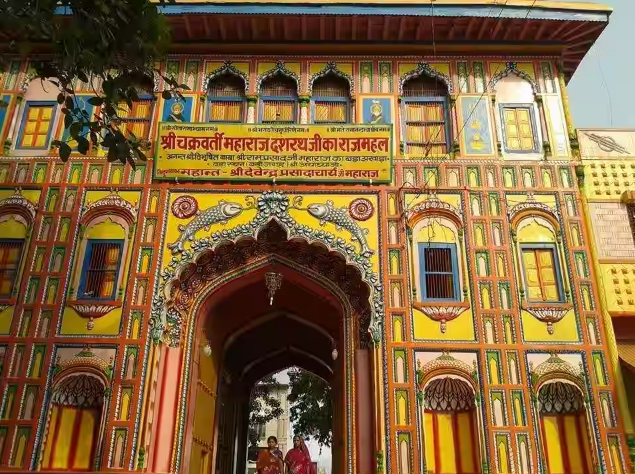
 Dashrath Mahal, Ayodhya
Dashrath Mahal, Ayodhya - The Royal Residence of King Dashrath
Dashrath Mahal is a sacred palace in Ayodhya believed to be the royal residence of King Dashrath. It reflects the childhood and family life of Lord Ram and his brothers. A visit here offers a deeply emotional and devotional experience for pilgrims.
Dashrath Mahal, Ayodhya
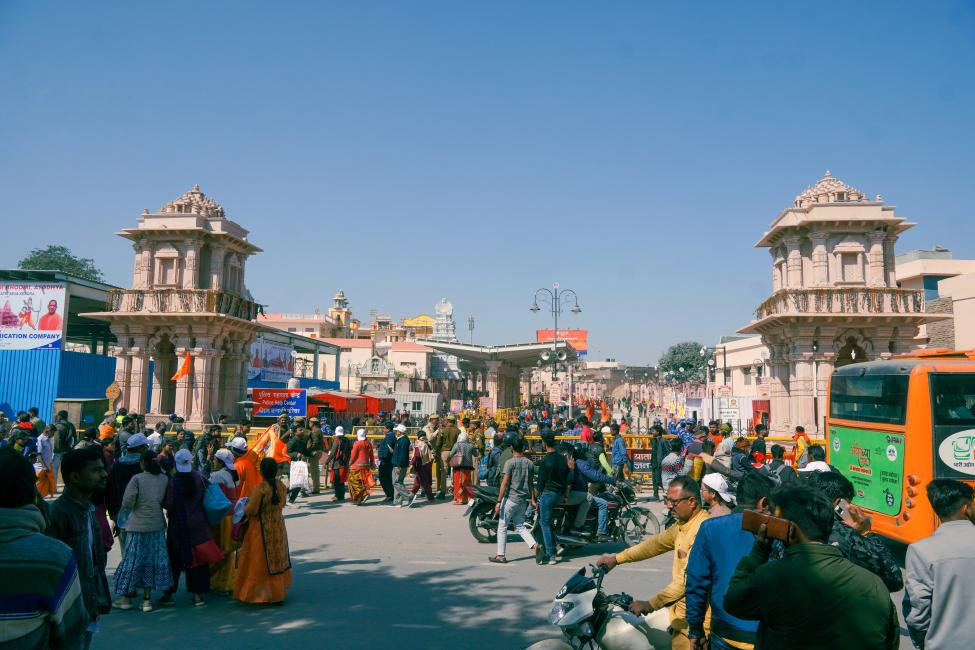
Dashrath Mahal is one of the most spiritually significant and emotionally touching places in Ayodhya. Located close to the sacred Ram Janmabhoomi, this palace is believed to be the royal residence of King Dashrath, the father of Lord Ram. More than just a historical site, Dashrath Mahal represents the roots of Lord Ram’s childhood, family life, and royal upbringing.
Historical & Mythological Significance
According to the Ramayana, Dashrath Mahal was the grand palace where King Dashrath ruled the kingdom of Kosala. It is believed that Lord Ram spent his childhood here, along with his brothers Lakshman, Bharat, and Shatrughna. The palace holds deep emotional value for devotees, as it reflects the life of Lord Ram before his exile.
The place is also associated with Kaushalya Mata, the mother of Lord Ram, and is often referred to as Kaushalya Bhawan. Many devotees visit Dashrath Mahal to feel a closer connection to Lord Ram’s family life and values.
Architecture & Atmosphere
Dashrath Mahal is beautifully decorated with:
- Colorful arches and balconies
- Intricate paintings depicting scenes from the Ramayana
- Floral designs and vibrant interiors
The palace has a lively and devotional atmosphere, especially during festivals. The walls echo with bhajans and Ram naam chants, creating a peaceful yet joyful spiritual experience.
Festivals & Celebrations
Dashrath Mahal is especially vibrant during:
- Ram Navami - Celebrating the birth of Lord Ram
- Diwali - Marking Lord Ram’s return to Ayodhya
- Vivah Panchami - Celebrating the divine marriage of Ram and Sita
During these occasions, the palace is decorated with flowers, lights, and traditional decorations, attracting thousands of devotees.
Spiritual Experience
Visiting Dashrath Mahal gives devotees a sense of warmth and belonging. Unlike grand temples, this palace feels personal, as if stepping into Lord Ram’s home. Devotees often sit quietly, offer prayers, and reflect on values like duty, respect for parents, sacrifice, and righteousness—qualities Lord Ram stood for.
Location & Accessibility
Dashrath Mahal is located in the heart of Ayodhya, very close to:
It is easily accessible by foot, auto-rickshaw, or e-rickshaw while exploring Ayodhya’s main religious circuit.
Best Time to Visit
- October to March: Pleasant weather for sightseeing
- Early morning or evening for a peaceful darshan
- Festival days for cultural and devotional vibrancy
Travel Tip
Since Dashrath Mahal is part of a dense temple area, it’s best to wear comfortable footwear and modest clothing. Photography may be restricted in some areas, so always follow temple guidelines.
 Ranthambore: India’s Wild Wond..
 Kodaikanal - The Princess of Hil..
 Top Markets & Food Spots in Delh..
 Gir National Park - The Land of ..
 Holla Mohalla at Anandpur Sahib,..
 Kushinagar - The Sacred Land of ..
 Lal Bagh Palace, Indore - A Glim..
 Kaba Gandhi No Delo - The Ancest..
 Exclusive Tour Packages for 2025..
 Hanuman Temple Connaught Place |..
 Pinjore Gardens - A Beautiful Mu..
 Mangalnath Temple Ujjain: Birthp..
 Coimbatore - The Manchester of S..
 Ajwa Water Park & Gardens Vadoda..
 Chandratal Lake Travel Guide –..