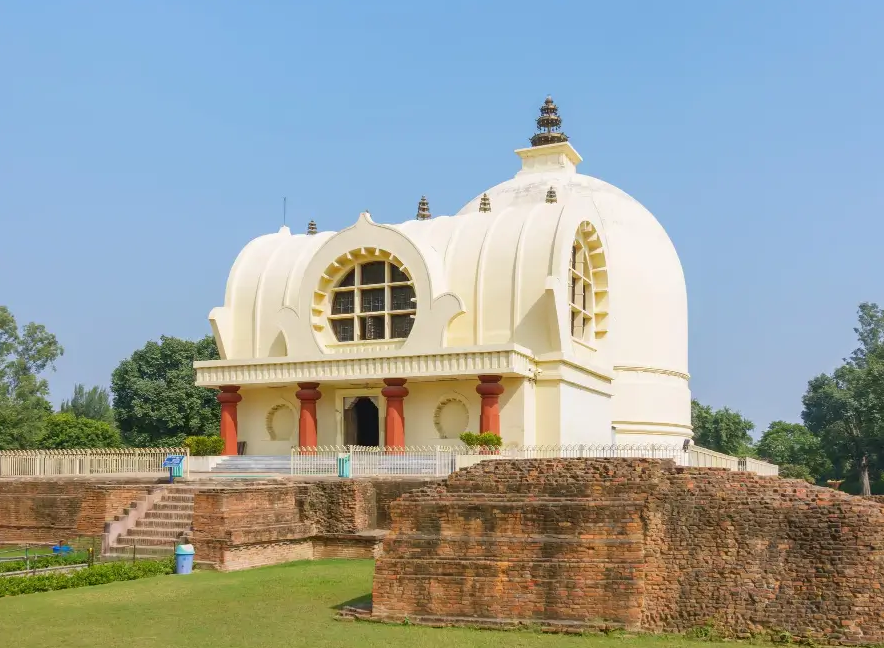
 Mahaparinirvana Temple, Kushinagar
Kushinagar - The Sacred Land of Buddha’s Mahaparinirvana
Kushinagar is one of the most sacred Buddhist pilgrimage destinations, marking the place where Lord Buddha attained Mahaparinirvana. Famous for the Mahaparinirvana Temple, Ramabhar Stupa, and international monasteries, the town offers deep spiritual peace. It forms an important part of the Buddhist circuit along with Lumbini, Bodh Gaya, and Sarnath.
Kushinagar
Kushinagar is one of the most important Buddhist pilgrimage destinations in the world, located in the Gorakhpur district of Uttar Pradesh. Revered as the place where Lord Buddha attained Mahaparinirvana (final liberation), Kushinagar holds immense spiritual significance for Buddhists across the globe. Surrounded by peaceful monasteries, ancient stupas, and meditation centers, this sacred town offers a serene atmosphere ideal for reflection, devotion, and spiritual learning.
Historical and Religious Importance
According to Buddhist scriptures, Kushinagar was once known as Kushavati, the capital of the Malla kingdom. It was here, in the 5th century BCE, that Gautama Buddha delivered his final sermon and passed into Mahaparinirvana under a sal tree.
Over centuries, Kushinagar became an important center of Buddhist learning and pilgrimage. The site was rediscovered in the 19th century by British archaeologists, who unearthed ancient stupas, monasteries, and inscriptions that confirmed its historical significance.
Top Places to Visit in Kushinagar
Mahaparinirvana Temple
The most sacred site in Kushinagar, this temple houses the famous reclining statue of Lord Buddha, representing the moment of his final passing. The statue, carved from red sandstone, is about 6.1 meters long and is worshipped by devotees from many countries.
Ramabhar Stupa
Also known as Muktabandhan Chaitya, this stupa marks the exact spot where Buddha’s cremation took place. It is an important pilgrimage site and a symbol of Buddha’s final earthly rites.
Matha Kuar Shrine
This shrine contains a large standing statue of Buddha believed to depict one of his last teachings. The image dates back to the 5th century CE and reflects fine Gupta-era craftsmanship.
International Buddhist Monasteries
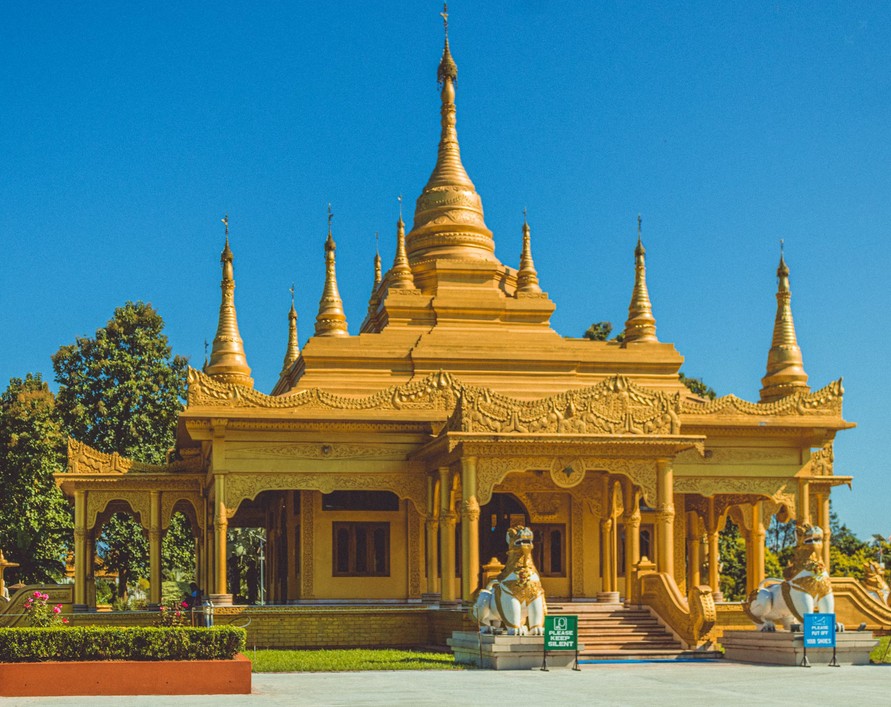
Kushinagar is home to many monasteries built by Buddhist countries such as Thailand, Japan, China, Sri Lanka, Myanmar, Tibet, and Korea. Each monastery reflects its country’s unique architectural style and offers meditation halls, libraries, and guest facilities.
Spiritual Atmosphere and Pilgrimage
Kushinagar forms an essential part of the Buddhist pilgrimage circuit, along with Lumbini, Bodh Gaya, and Sarnath. Devotees perform prayers, meditation, chanting, and circumambulation around the stupas. The calm surroundings and spiritual energy make Kushinagar a place for deep inner peace and enlightenment.
Festivals and Celebrations
Major Buddhist festivals celebrated here include:
- Buddha Purnima
- Parinirvana Day
- International Buddhist conferences and meditation retreats
During these occasions, Kushinagar witnesses a large gathering of monks, scholars, and pilgrims from across the world.
Best Time to Visit
The best time to visit Kushinagar is from October to March, when the weather is cool and comfortable for sightseeing and pilgrimage. Summers are hot, while monsoons bring moderate rainfall.
How to Reach Kushinagar
- By Air: Kushinagar International Airport connects the town with major Indian and international cities.
- By Train: Nearest major railway station is Gorakhpur.
- By Road: Well connected by road to Gorakhpur, Varanasi, and other cities of eastern Uttar Pradesh.
Accommodation and Facilities
Kushinagar offers a wide range of accommodations, including:
- Monastery guest houses
- Budget hotels and lodges
- Government tourist bungalows
- Vegetarian food and international cuisine are easily available in the town.
 Upper Lake & Lower Lake (Bhojtal..
 Gir National Park - The Land of ..
 Lucknow Zoo - A Perfect Wildlife..
 Mangla Gauri Temple, Gaya - The ..
 Jubilee Garden - The Green Heart..
 Barabar Caves, Gaya - India’s ..
 Kanatal - A Hidden Gem in the Hi..
 Mukteshwar - A Peaceful Himalaya..
 National Rail Museum Delhi - Jou..
 Kovalam - Best Beaches, Things t..
 Dashrath Mahal, Ayodhya - The Ro..
 Bhalka Tirth, Somnath - The Sacr..
 Kiran Nadar Museum of Art Delhi ..
 Gaya, Bihar - The Spiritual Hear..
 Prem Mandir, Rajkot - A Spiritua..