 Dudhwa National Park
Dudhwa National Park - The Wild Jewel of Terai Forests in Uttar Pradesh
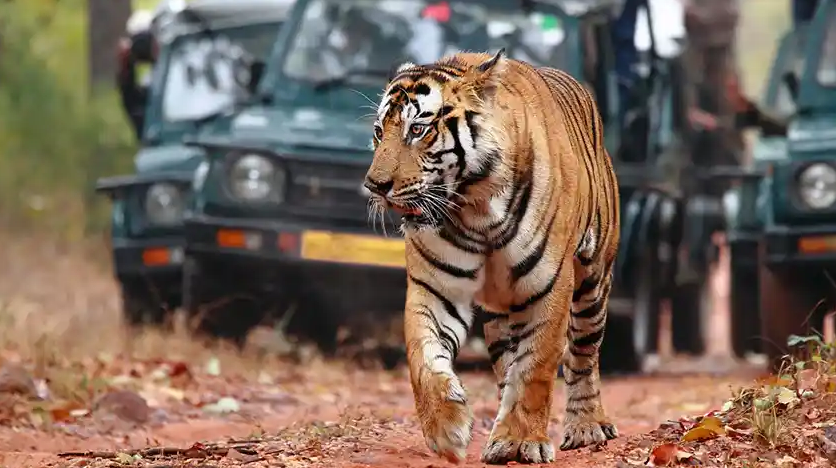
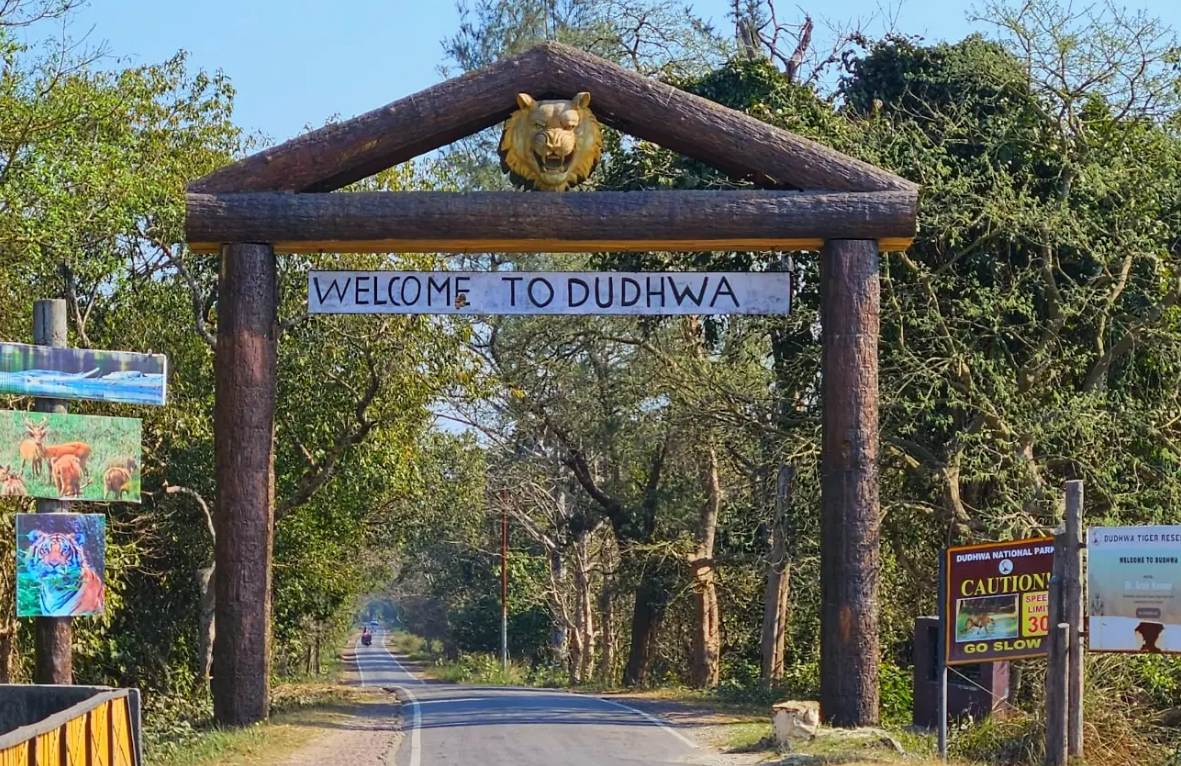
Dudhwa National Park is a major wildlife reserve in Uttar Pradesh located near the India–Nepal border. It is famous for Royal Bengal tigers, swamp deer, elephants, and rich birdlife. The park offers thrilling jeep safaris amid dense forests and tall grasslands of the Terai region.
Dudhwa National Park,
Dudhwa National Park is one of the most beautiful and biodiverse wildlife destinations in North India, located in the Lakhimpur Kheri district of Uttar Pradesh, near the India-Nepal border. Famous for its dense forests, tall grasslands, marshes, and rich wildlife, Dudhwa is a part of the Dudhwa Tiger Reserve and plays an important role in conserving endangered species like the Bengal tiger, swamp deer, and one-horned rhinoceros. For nature lovers, birdwatchers, and wildlife enthusiasts, Dudhwa offers a peaceful and thrilling jungle experience.
History and Formation
Dudhwa was declared a wildlife sanctuary in 1958 and later became a national park in 1977. It gained national importance when it was included in Project Tiger in 1987, making it one of India’s key tiger conservation areas. The park also became famous due to the efforts of Billy Arjan Singh, a renowned conservationist who worked to protect and reintroduce wildlife species in the region.
Unique Landscape and Ecosystem
Dudhwa National Park lies in the Terai belt, a fertile and forest-rich region at the foothills of the Himalayas. The park features:
- Dense sal and teak forests
- Vast grasslands
- Rivers, streams, and marshes
- Wetlands and lakes
- This diverse habitat supports a wide variety of flora and fauna, making Dudhwa one of the richest ecosystems in northern India.
Wildlife at Dudhwa National Park
Dudhwa is best known for its impressive population of Royal Bengal tigers. Apart from tigers, visitors may spot:
- Leopards
- Sloth bears
- Wild elephants
- Swamp deer (Barasingha)
- Spotted deer, sambar, and hog deer
- Wild boar and otters
- The park is also famous for its birdlife, with more than 450 species of birds, including migratory birds during winter.
- One of Dudhwa’s proud achievements is the successful conservation of the swamp deer, whose population has grown significantly in this reserve.
Safari Experience
Visitors can explore Dudhwa through:
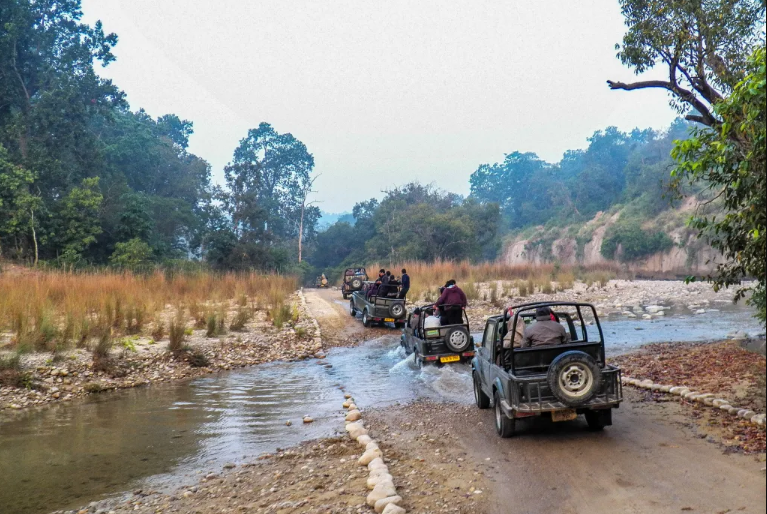
- Jeep safaris
- Canter safaris
- Nature walks in designated zones
- The park is divided into major zones such as Dudhwa, Kishanpur, and Katarniaghat, each offering unique landscapes and wildlife sightings.
- Early morning and late afternoon safaris are the best times to spot animals in their natural habitat.
Best Time to Visit
The ideal time to visit Dudhwa National Park is from November to April, when the weather is pleasant and wildlife sightings are more frequent.
The park remains closed from July to October due to monsoon and breeding season.
How to Reach Dudhwa
- By Air: Nearest airports are Lucknow and Bareilly.
- By Train: Nearest railway stations are Dudhwa and Palia Kalan.
- By Road: Well connected by road from Lucknow, Bareilly, and Lakhimpur.
Accommodation and Facilities
Visitors can stay in:
- Forest rest houses
- Eco-lodges
- Budget hotels in nearby towns like Palia Kalan
Guides and forest staff accompany safaris to ensure safety and provide information about wildlife.
Conservation Importance
Dudhwa plays a crucial role in protecting endangered species and preserving the fragile Terai ecosystem. It is an important corridor for wildlife movement between India and Nepal and contributes significantly to biodiversity conservation in the region.
 Shankaracharya Temple Srinagar -..
 Lakshmi Narayan Temple, Orchha -..
 Phalgu River, Gaya - The Sacred ..
 Akshardham Temple Delhi - A Mode..
 Barda Hills Wildlife Sanctuary P..
 Great Buddha Statue - The Icon o..
 Chidambaram - The Spiritual Town..
 Agam Kuan, Patna - The Mysteriou..
 Kesaria Stupa - World’s Talles..
 Jallianwala Bagh - A Place That ..
 Mehtab Bagh - The Moonlight Gard..
 British Residency, Lucknow - A H..
 Amritsar: The Soul of Punjab Whe..
 Karnal - The Historic City of Ha..
 Mehrauli - Where Delhi’s Ancie..