 Gwalior Fort, Gwalior
Gwalior - A Majestic City of Forts, Music, and Royal Heritage
Gwalior is a historic city in Madhya Pradesh known for its magnificent fort and royal heritage. It is famous for ancient temples, palaces, and its deep connection to Indian classical music. Gwalior offers a rich cultural and historical experience for travelers.
Gwalior, MP
Gwalior is one of the most historically rich and culturally significant cities of Madhya Pradesh, located in the northern part of the state. Known for its grand fort, ancient temples, royal palaces, and deep-rooted musical traditions, Gwalior stands as a symbol of India’s glorious past. The city beautifully combines history, spirituality, art, and architecture, making it a must-visit destination for heritage lovers.
Historical Background of Gwalior
The history of Gwalior dates back more than a thousand years. The city has been ruled by several powerful dynasties, including the Tomars, Mughals, Marathas, and the Scindias. Each ruler left a strong architectural and cultural imprint on the city.
Gwalior rose to prominence under the Tomar dynasty, especially during the reign of Raja Man Singh Tomar, who transformed the city into a center of art, music, and architecture. Later, the Scindia rulers made Gwalior one of the most important princely states of British India.
Gwalior Fort - The Pride of the City
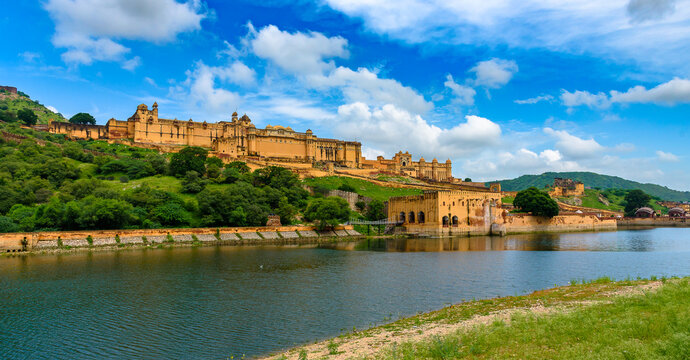
The Gwalior Fort, perched on a steep sandstone hill, dominates the city skyline and is regarded as one of the most impressive forts in India. Often called “The Gibraltar of India”, the fort stretches over 3 kilometers and offers panoramic views of Gwalior.
Major Attractions Inside Gwalior Fort
Man Singh Palace:
Man Singh Palace is one of the most impressive structures inside Gwalior Fort. The palace is famous for its beautiful blue and yellow glazed tiles that decorate the outer walls. Built by Raja Man Singh Tomar, it reflects the grandeur and artistic excellence of Rajput architecture. The palace interiors, courtyards, and balconies give visitors a glimpse into the royal lifestyle of the past.
Saas Bahu Temples:
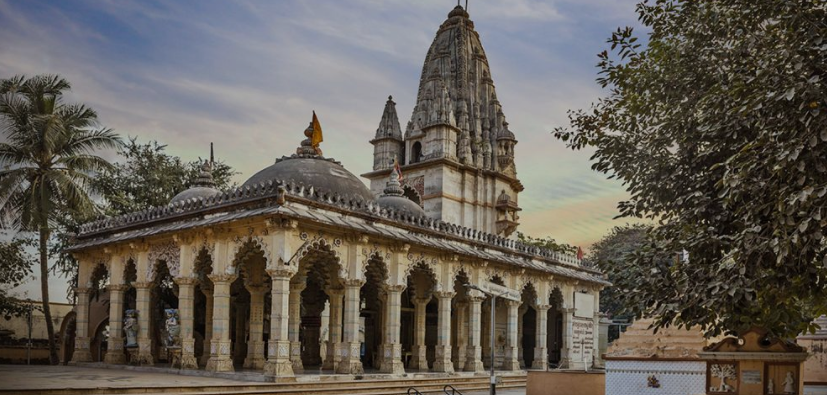
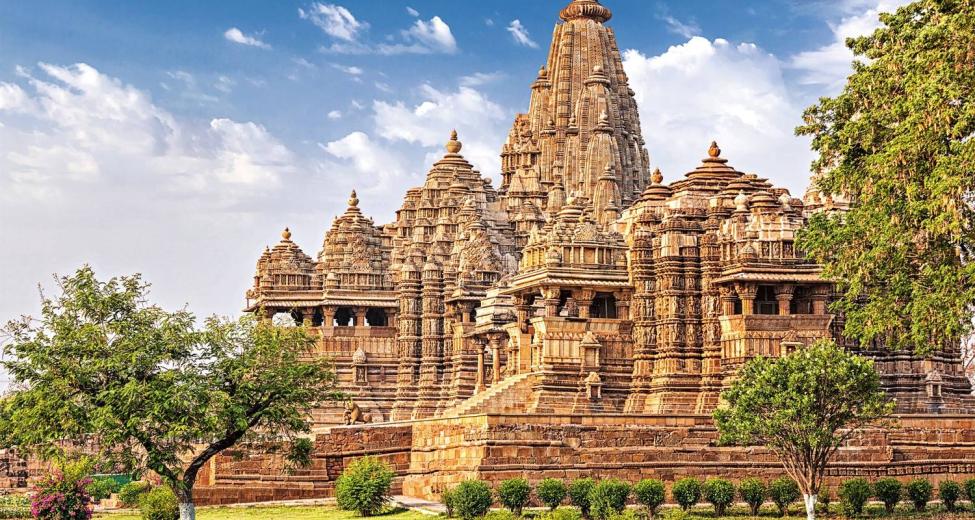
The Saas Bahu Temples are a pair of ancient Hindu temples dedicated to Lord Vishnu. These temples are renowned for their intricate stone carvings, detailed sculptures, and fine craftsmanship. Despite their name, they are not related to a mother-in-law and daughter-in-law, but symbolize grandeur and devotion. The temples are a fine example of medieval temple architecture.
Teli Ka Mandir:
Teli Ka Mandir is a unique and striking structure within the fort complex. It blends Dravidian and Nagara architectural styles, making it different from other temples in the region. Standing tall, it is one of the oldest and tallest ancient temples in Gwalior and was originally dedicated to Lord Vishnu and later associated with Shiva worship.
Gujari Mahal:
Gujari Mahal was built by Raja Man Singh Tomar for his queen, Mrignayani. Today, it functions as an archaeological museum showcasing rare sculptures, inscriptions, and historical artifacts. The palace offers valuable insights into the art, culture, and history of ancient India.
Religious and Spiritual Significance of Gwalior
Gwalior holds great spiritual importance and is home to several sacred temples and religious sites that attract devotees throughout the year.
Sun Temple:
Inspired by the famous Konark Sun Temple of Odisha, the Sun Temple in Gwalior is a modern architectural marvel. Dedicated to the Sun God, the temple is known for its peaceful surroundings and spiritual atmosphere, making it a popular place for worship and meditation.
Chintaman Ganesh Temple:
The Chintaman Ganesh Temple is one of the most revered temples in Gwalior. Devotees believe that Lord Ganesh fulfills wishes and removes obstacles for those who pray here with devotion. The temple attracts a large number of visitors, especially during festivals.
Jain Rock-Cut Sculptures:
Located near Gwalior Fort, the Jain Rock-Cut Sculptures are massive statues carved directly into the rock face. Dating back to the 7th to 15th centuries, these sculptures represent Tirthankaras and showcase remarkable craftsmanship. They stand as a testament to Gwalior’s rich religious and artistic heritage.
Gwalior and Indian Classical Music
Gwalior holds a special place in Indian classical music as the birthplace of the Gwalior Gharana, one of the oldest and most respected schools of Hindustani classical music. Legendary musician Tansen, one of the Navratnas of Emperor Akbar’s court, was born here.
Every year, the Tansen Music Festival is held near his tomb, drawing renowned artists and music lovers from across the world.
Local Culture, Food, and Markets
Gwalior’s culture reflects royal elegance mixed with traditional warmth. Local markets like Patankar Bazaar and Sarafa Bazaar offer handicrafts, traditional jewelry, and souvenirs.
Popular local foods include:
- Bedai and jalebi (breakfast specialty)
- Kachori
- Poha
- Traditional sweets
Best Time to Visit Gwalior
The ideal time to visit Gwalior is from October to March, when the weather is pleasant for sightseeing and outdoor exploration. Summers can be very hot, while monsoons bring moderate rainfall.
Why Visit Gwalior?
Gwalior is perfect for:
- History and heritage enthusiasts
- Architecture lovers
- Music and culture admirers
- Spiritual travelers
- Short heritage trips and educational tours
It offers a deep and authentic experience of India’s royal and cultural legacy.
Travel Tips for Visitors
- Wear comfortable footwear for fort exploration
- Visit the fort early morning or evening
- Respect temple customs
- Carry water during sightseeing
- Plan at least 2 days to explore the city properly
 CR Park Bengali Market Delhi - F..
 National Rail Museum Delhi - Jou..
 Exclusive Tour Packages for 2025..
 13 Must Visit Temples In Vrindav..
 Kushinagar - The Sacred Land of ..
 British Residency, Lucknow - A H..
 Nagapattinam - A Coastal Town of..
 Laxmi Vilas Palace: A Glimpse In..
 Chetak Park - A Peaceful Green S..
 Kodaikanal - The Princess of Hil..
 Bundi - The Hidden Gem of Rajast..
 Madurai Tourism - Explore the Te..
 Nubra Valley & Diskit Monastery ..
 Naini Lake Nainital | Boating, B..
 Janeshwar Mishra Park, Lucknow -..