 Rani Mahal, Jhansi
Rani Mahal, Jhansi - The Royal Residence of Courage
Rani Mahal stands as a silent witness to the life of Rani Lakshmibai and the rich cultural heritage of Jhansi. With its artistic interiors and historical exhibits, it offers visitors an enriching and memorable experience.
Rani Mahal, Jhansi
Rani Mahal is one of the most important historical monuments in Jhansi, Uttar Pradesh. Once the royal residence of Rani Lakshmibai, the brave queen of Jhansi, this beautiful palace stands close to the famous Jhansi Fort. Rani Mahal serves as a museum and is a key attraction for visitors who wish to understand the life, culture, and legacy of the queen who became a symbol of India’s freedom struggle.
History of Rani Mahal
Rani Mahal was built in the 18th- 19th century during the reign of the Maratha rulers of Jhansi. It was the main residence of Rani Lakshmibai after her marriage to Maharaja Gangadhar Rao. The palace witnessed many important moments in the queen’s life, especially during the period leading up to the Revolt of 1857.
After the British takeover of Jhansi, the palace was later converted into a museum to preserve the region’s cultural and historical heritage.
Architecture & Design
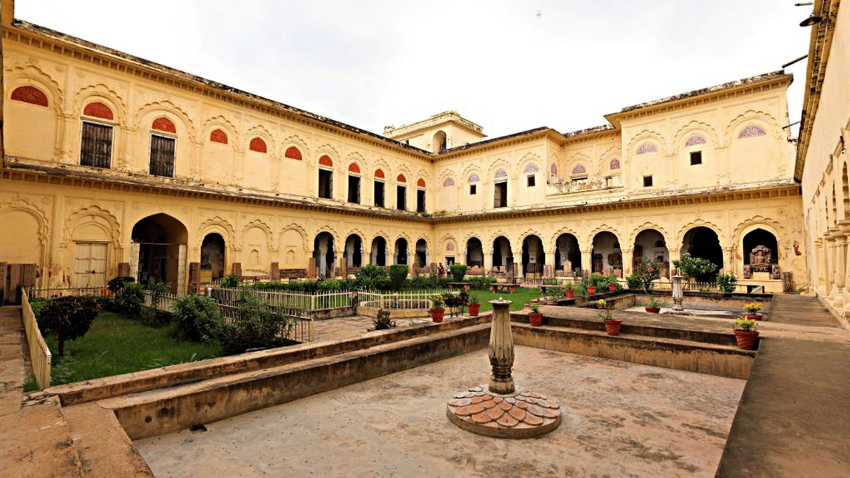
Rani Mahal is a fine example of Indo-Maratha architecture, known for its elegance rather than military strength. Key architectural features include:
- Multi-storeyed structure with symmetrical design
- Beautiful arched doorways and balconies
- Colorful floral and mythological murals on walls and ceilings
- Decorative mirrors, tiles, and artistic patterns
The palace interiors reflect royal lifestyle, artistic excellence, and refined taste of the period.
Museum & Collections
Today, Rani Mahal functions as a museum showcasing important artifacts from Chandela and Bundelkhand periods. The museum collection includes:
- Ancient sculptures of Hindu and Jain deities
- Stone carvings and inscriptions
- Paintings depicting mythology and royal life
- Historical objects linked to Jhansi’s past
These exhibits provide deep insight into the art, culture, and religious traditions of Bundelkhand.
Cultural Significance
Rani Mahal is not just a palace; it represents the strength, dignity, and resilience of Rani Lakshmibai. Walking through its halls helps visitors imagine the life of a queen who balanced royal duties with fierce leadership during one of India’s most challenging historical periods.
Best Time to Visit
- October to March - Pleasant weather, ideal for sightseeing
- Morning hours are best to explore the palace comfortably
Location & Accessibility
- Located near Jhansi Fort, within the old city area
- Easily reachable by road from Jhansi railway station and bus stand
- Can be covered along with Jhansi Fort in a single visit
Why Visit Rani Mahal?
Rani Mahal offers a peaceful yet powerful glimpse into royal life and India’s freedom history. Its murals, museum exhibits, and historic atmosphere make it a must-visit destination for history lovers, students, and cultural travelers.
Quick Facts
- Location: Jhansi, Uttar Pradesh
- Built: 18th-19th century
- Style: Indo-Maratha architecture
- Current Use: Museum
 Bhagsu & Dharamkot Travel Guide ..
 Kausani - Switzerland of India i..
 Van Vihar National Park, Bhopal ..
 Agam Kuan, Patna - The Mysteriou..
 Ahmedabad: A journey through his..
 Hot Springs (Brahmakund), Rajgir..
 Muktinath: A Sacred Journey to t..
 Panchatantra Park Jhansi, Playgr..
 Somnath Jyotirlinga - The First ..
 Bhartrihari Caves, Ujjain - A My..
 Archaeological Museum, Bodh Gaya..
 Dhamek Stupa - The Sacred Heart ..
 Adventure Activities in Rishikes..
 Crafts Museum, Delhi | History, ..
 Wildlife & Nature Escapes Near D..