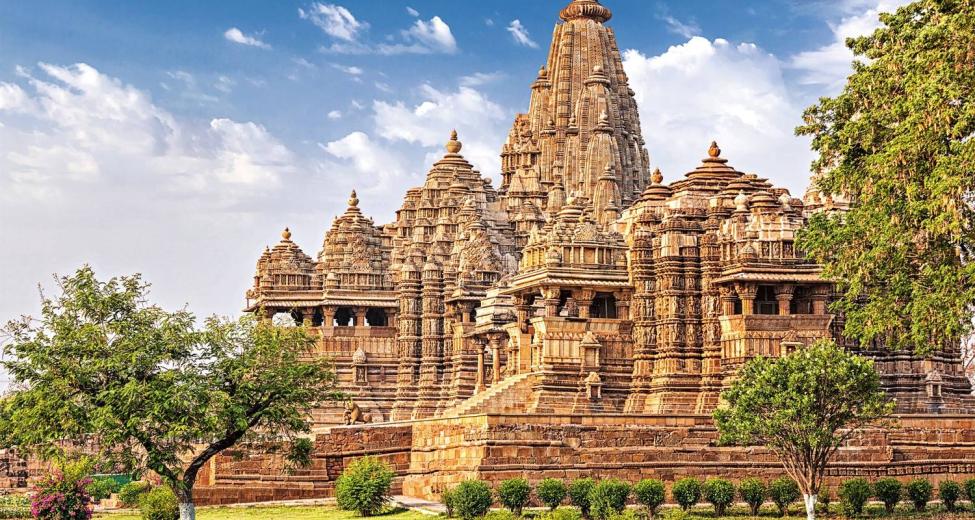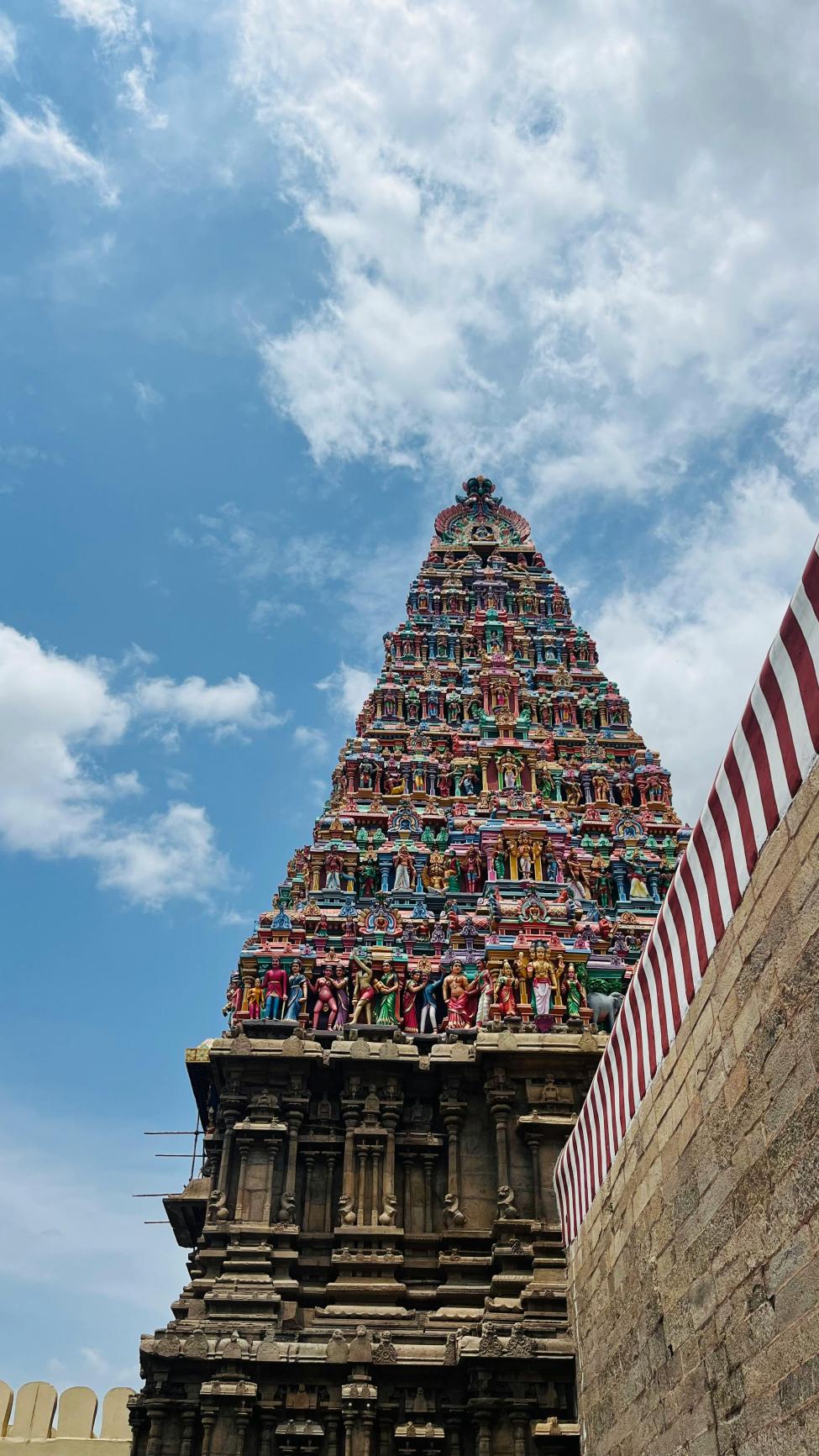
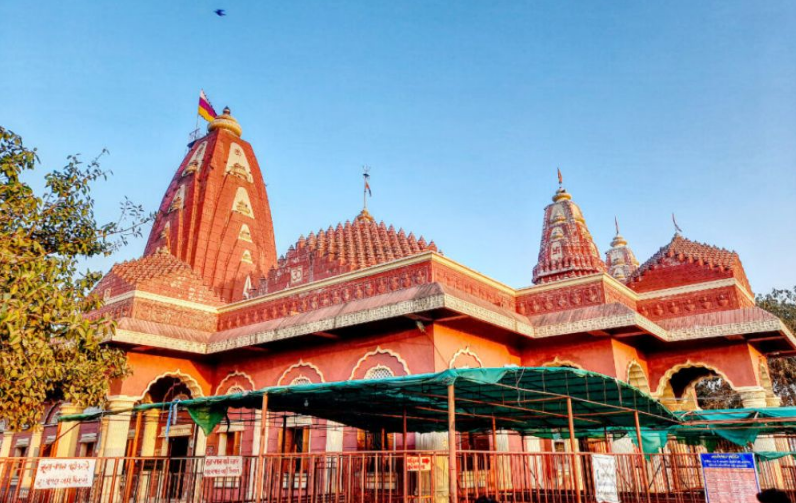
 Nageshwarnath Temple, Ayodhya
Nageshwarnath Temple Ayodhya - The Ancient Shiva Temple Blessed by Kush
Nageshwarnath Temple is an ancient and revered Shiva temple in Ayodhya, believed to be built by Kush, son of Shri Ram. With mythological roots, serene surroundings, and beautiful architecture, it offers a deeply spiritual experience. A must-visit for pilgrims and history lovers.
Nageshwarnath Temple Ayodhya
Nageshwarnath Temple, located near the Saryu River in Ayodhya, is one of the city’s oldest and most sacred temples dedicated to Lord Shiva. This ancient shrine is deeply rooted in Ayodhya’s mythology and is believed to have been established by Kush, the son of Lord Rama. Peaceful, divine, and historically rich, Nageshwarnath Temple is a must-visit for devotees and history lovers exploring the holy city.
History & Mythological Significance
The origins of Nageshwarnath Temple trace back to Treta Yuga. According to legend, Kush, the son of Shri Ram, lost his armlet (kundal) in the Saryu River while bathing. A Naga Kanya (serpent maiden) found it and expressed her devotion to him. To honour her faith and devotion, Kush built the Nageshwarnath Temple and dedicated it to Lord Shiva, the protector of serpents.
During later periods, especially under various Hindu kings, the temple was renovated and maintained, keeping its glory alive. It stands today as a living symbol of Ayodhya’s ancient heritage and spiritual depth.
Architecture & Temple Complex
The temple showcases:
- Classical North Indian (Nagara) architecture
- A tall shikhara beautifully carved with intricate patterns
- Sculptures of deities, serpents, and traditional motifs
- A peaceful courtyard for devotees
- The sacred Shiva Linga, the main deity, worshipped with milk, bel leaves, and water
The temple becomes especially vibrant during festivals, when the entire complex glows with lights, flowers, and devotional chants.
Why Visit Nageshwarnath Temple?
1. One of Ayodhya’s Oldest Temples: With origins linked to Lord Rama’s son, it holds immense historical value.
2. Peaceful Shiva Shrine: Ideal for devotees seeking calmness, meditation, and blessings of Mahadev.
3. Important Stop in Ayodhya Pilgrimage: Almost every Ayodhya darshan route includes a visit here.
4. Close to Saryu River: You can easily combine your visit with a peaceful walk along the river.
Location
- Close to Thakur Banke Bihari Temple
- Near Ram Ki Paidi and Saryu Ghat
- Centrally located in Ayodhya for easy access
Temple Timings
- Morning: 5:00 AM - 12:00 PM
- Evening: 4:00 PM 9:00 PM
- Aarti timings vary on special occasions and festivals.
Best Time to Visit
- October to March - Comfortable weather
- During Mahashivratri - The temple is decorated beautifully
- Shravan Month - High spiritual energy with special Shiva rituals
Nearby Attractions
- Shri Ram Janmabhoomi Temple
- Hanuman Garhi
- Kanak Bhawan
- Treta Ke Thakur Temple
- Dashrath Mahal
- Ram Ki Paidi (Saryu Ghat)
Rituals & Offerings
Devotees commonly offer:
- Bel leaves
- Milk and water
- Flowers and sandalwood
- Rudra abhishek (special Shiva puja)
- The sound of bells and chants creates a soothing spiritual atmosphere.
Festivals Celebrated
- Mahashivratri (largest celebration)
- Shravan month Mondays
- Navratri
- Kartik Purnima
- During these events, thousands of devotees gather, and the temple shines with lights, rangoli, and special rituals.
 Akshardham Temple Gandhinagar - ..
 Trimbakeshwar Jyotirlinga - The ..
 Janeshwar Mishra Park, Lucknow -..
 Sri Aurobindo Ashram Pondicherry..
 Jaisalmer: The Golden City of Ra..
 Ahmedabad: A journey through his..
 Best Places to Visit in Shimla, ..
 Mathura & Vrindavan Travel Guide..
 Chandi Devi Temple Haridwar | Co..
 Gaurishankar Lake, Bhavnagar - A..
 Humayun's Tomb Dehi - Before the..
 Naini Lake Nainital | Boating, B..
 Best Places to Visit in Kasol & ..
 Rani ki Vav, Patan - The Queenâ€..
 National Rail Museum Delhi - Jou..